Loweus, L. (2017). Virtual Class Visits Link Book Authors to Students; Skype visits keep writers close to young readers. Education Week(Vol. 36, Issue 25).
Swain, M. (2000). The output hypothesis and beyond: mediating acquisition through collaborative dialogue. In Lantolf, J. Sociocultural theory and second language learning (pp. 97-114). Oxford, England : University Press.
Revisiting my PLNs ended up with a lot of new searching on topics related to Global Education. I was really inspired by iLEARN’s Global book club initiative and started looking for something similar and possibly more local in French.
Translations for global education in French include « éducation globale », « éducation mondiale », and « éducation interculturelle » as well as others. I found it challenging to find the same PLN discussions in French on this topic.
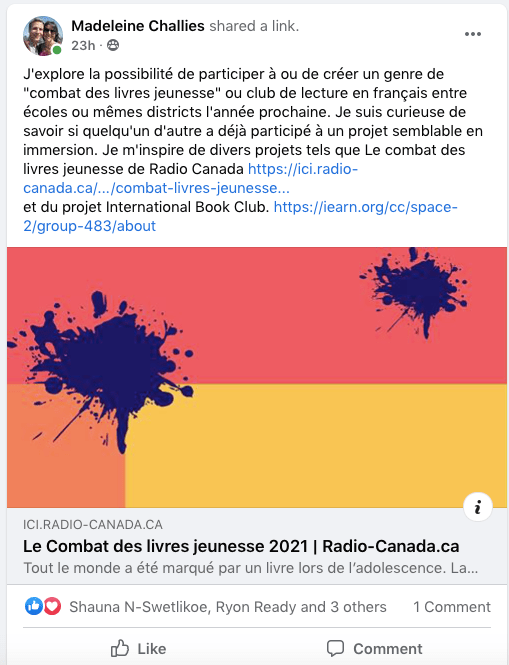
Based on the ideas I got from my research in English, I posed a question related to participating in or creating a regional or even international reading event such as a « Battle of the books » or « international book club » in French. Since I did not find one individual whose work I would like to follow, I reached out to a Canadian PLN « J’enseigne en immersion française » with the question or idea. I got a few likes, including one from an author friend, but so far the only comment was that it was a good idea. I hope to hear from someone who knows of an established project or who would like to collaborate on this.
The PLN « J’enseigne en immersion française », created by l’ACPI (L’Association canadienne des professionnels en immersion), is a very active facebook group that I have been a member of for a few years. While there are some great questions, I rarely find or make the time to participate and share my resources or ideas. I find overall the most active chats are ones where a teacher is simply looking for a quick assignment. The questions that require more resource support or reflection tend to not get as many responses. People are so busy and many like me simply cannot or do not want to devote even more time to engaging online.
I will update the photo if I receive another response.
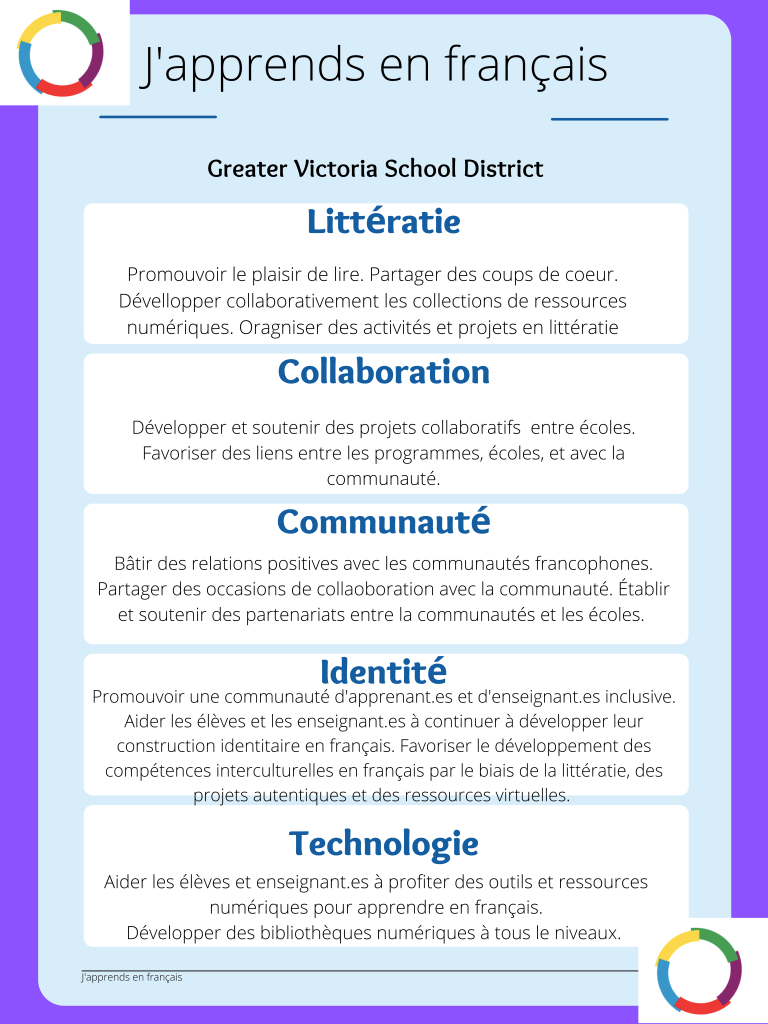
Here is a poster that captures what I see as the overarching educational function of my language coordinator role as it relates to the the LLC and language classroom. In order to keep this higher level, I did not use examples such as teacher pro-d, inquiry projects, improv sessions in classrooms etc. I am wondering if by omitting the use of examples I am missing anything. I welcome your feedback!
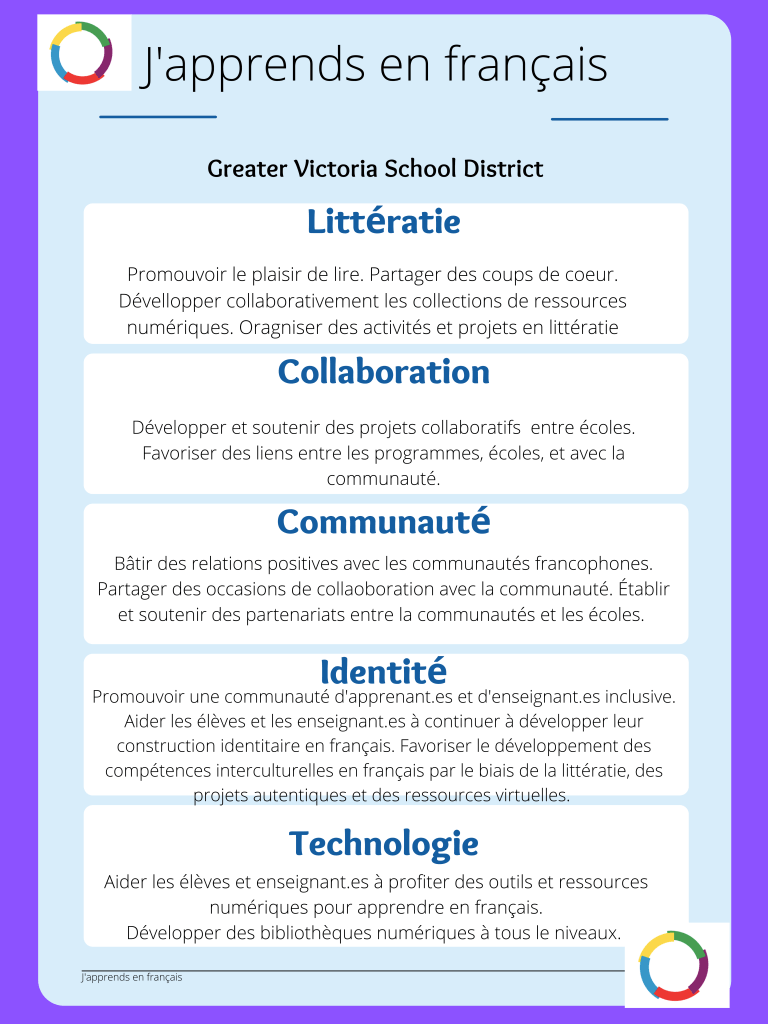
You’ll find below an updated version of my poster, based on feedback from my Queen’s colleagues. The feedback was positive in general, with a few colleagues connecting especially with the integral role of identity in the French language programs.
The suggestion I received was to reposition the francophone flag logos within the border so I have tried that above.
Once again, this assignment was a bit different for me since I am thinking of a logo that could be used by all French programs in our district. This fall, when we started creating a Middle School VLC the first logo offered was the French flag. While the French flag or the Fleur de lis are often used on French Immersion programs, I felt that we should find a logo or symbol that is more inclusive of the diversity of French in the world. We settled on the francophone flag. This is a less-known symbol but avoids giving the false message that learning in French Immersion or Core French is all about either learning about France or Quebec. I also like the image and symbolism evoked by the multicolored circle in the francophone flag.
I played around with Canva to make the logo, but it was too busy and I ended up using slides for a simpler look.
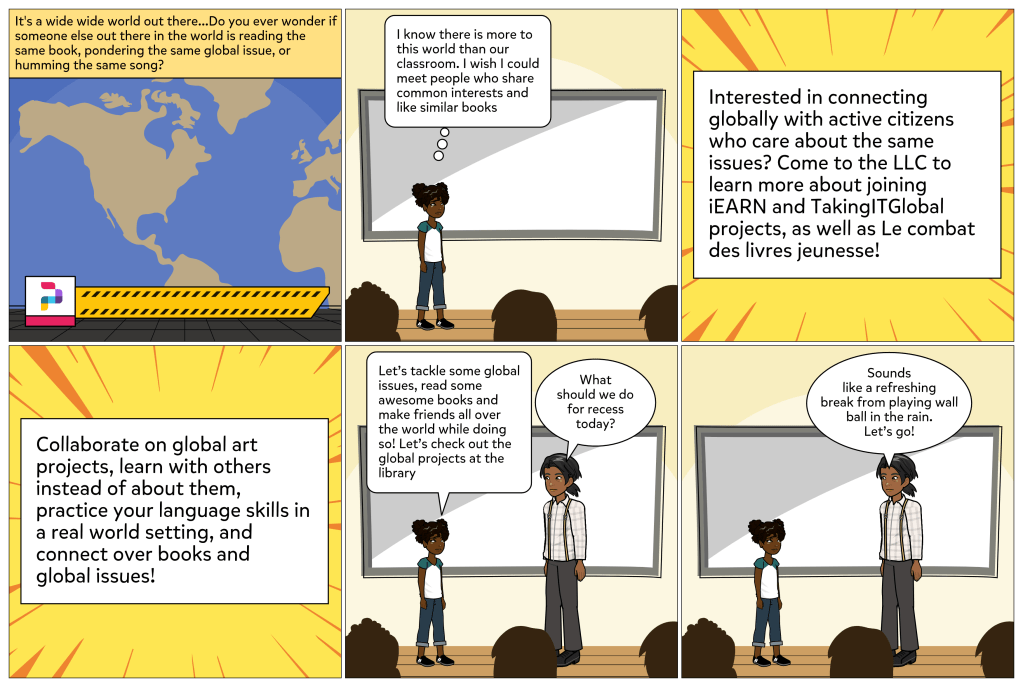
I chose Pixton for my Global Projects comic. While the program looks extensive and very easy to use, I discovered that almost all background images and features were locked. I was limited to mostly dinosaur backgrounds and a few characters. I would definitely not use this with a group unless I had the full version since the options are limited and frustrating to see so many locked options.
The iLearn and TakingITGlobal projects look to have some great options for social justice, art, reading and other collaboration opportunities. Many are offered in French. I will be sure to explore a few of them such as the global book club, art collectives and competitions, and global action projects. I also saw that there are useful guides for educators in French.
The combination of teaching grade 6 and a university course online in 2020 as well as being in a new coordinating role during a pandemic has definitely opened my eyes to the vast array of virtual learning opportunities that exist. This may be the most precious unintended benefit of COVID to my teaching practice.
What’s more, so many cultural and language learning opportunities that were either extremely costly, required travel or were out of reach to Vancouver Island French language learners have now become accessible virtually.
Here are a few virtual learning opportunities that are great for the language LLC and classroom:
Virtual author visits:
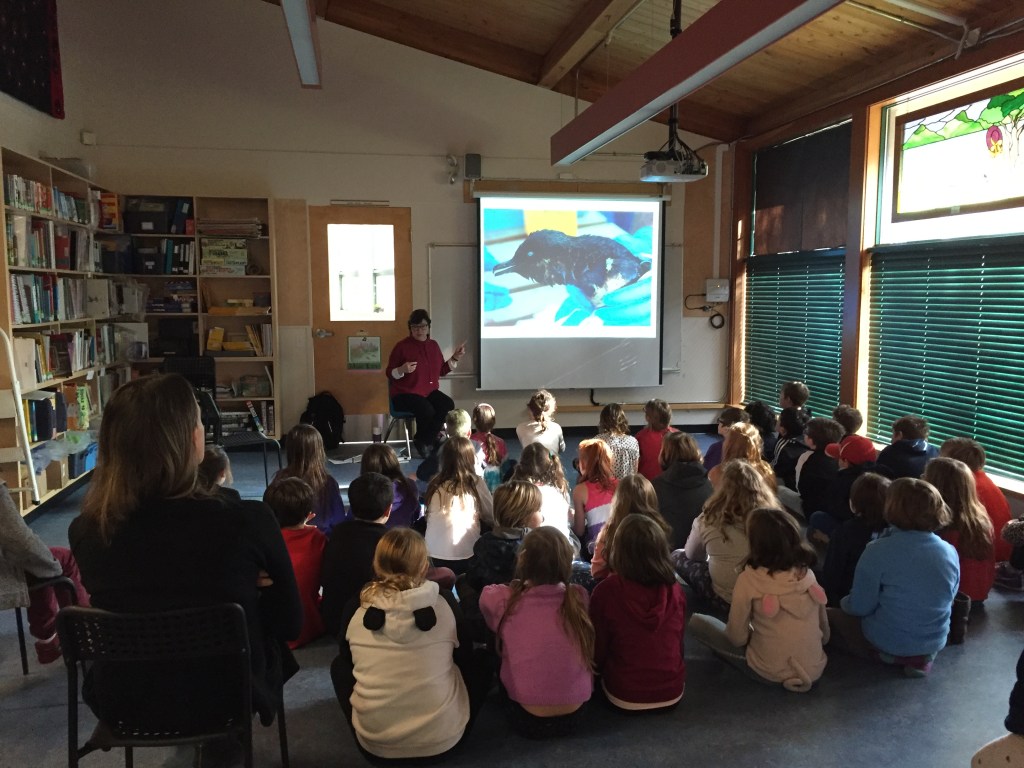
We hosted a francophone author Andrée Poulin in February 2020 just before COVID took over. She and a few colleagues of mine went for dinner during her visit and shared a dessert four ways, a normal pre-COVID activity which, along with in person author visits, may not happen again for a few years!
The author visits really helped motivate my students to engage with reading in general, and got them so excited about the novel we had just finished that they begged (well at least four begged!) to read the sequel immediately after her visit.
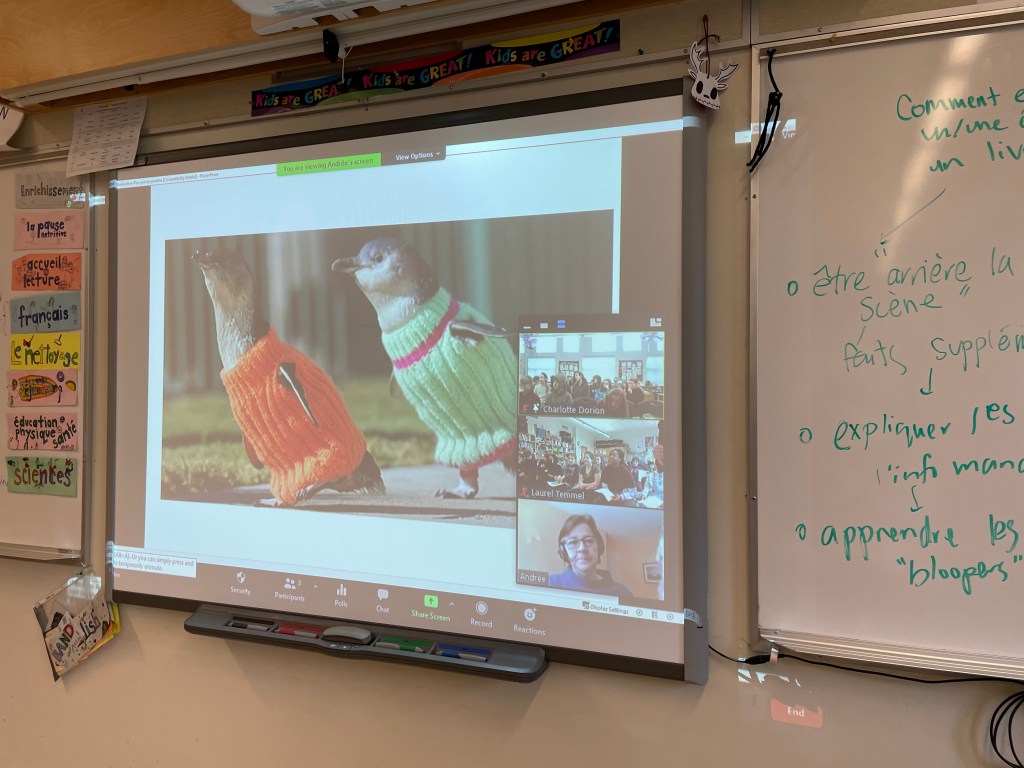
We had Andrée Poulin back this fall and winter to do virtual visits and I attended one of them. While I must say it was not quite the same experience as having her in our classrooms, it still really motivated the students in classrooms across our district. The benefit was that we were able to offer this to more classes for far less cost and a negligible carbon footprint as compared to her in person visit one year prior.
Virtual author visits provide a literary and cultural opportunity for our French language students. Beyond supporting literacy skills and supporting a cultural of reading, they offer an authentic opportunity to connect with a francophone person and to ask them questions about life in their corner of the world. During a debrief after a recent author visit with francophone author André Marois, grade 8 students from one middle school noted that their favourite part of the author visit was seeing the map of where Marois lived, the countryside in Quebec, hearing his accent, finding out why he moved from France, what Covid was like in his provide, etc.
Another plus of virtual author visits is that it expands the range and amount of visits we can have. Rather than saving up to invite one author only, a district or school can zoom into several different authors depending on the interest of the school or student group.
Virtual field trips-
I explored some of the trips on the suggested list but have focused on a few others that are more pertinent to a French classroom or LLC. Here are a few field trips in French that have captured my attention:
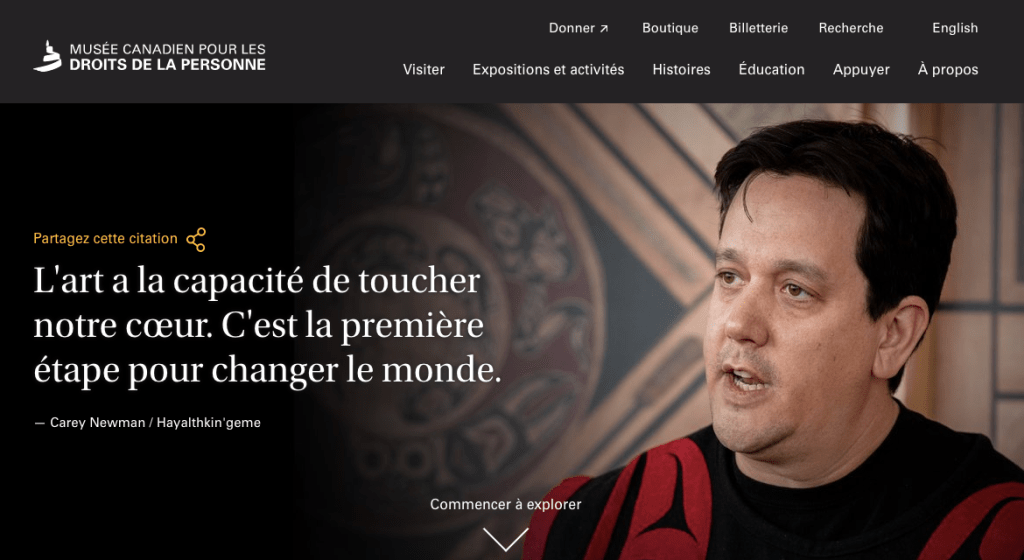
Musée canadien pour les droits de la personne: This human rights museum in Winnipeg has several virtual exhibits, including an upcoming exhibit called DéclART tes droits on Winnipeg students’ artistic interpretations of human rights. This could be a great catalyst for a local project of this nature for a grade 6 Socials class or a secondary class.
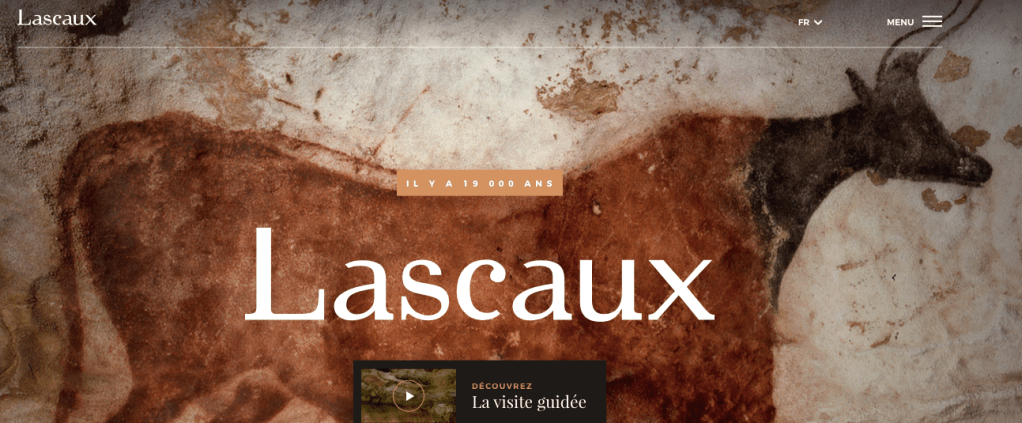
Les grottes de Lascaux: This virtual tour of the cave paintings in Lascaux, France is one of the first virtual field trips I used with my students. I loved the combination of the visual self-guided tour along with the music. This could be used in a grade 7 Socials class.
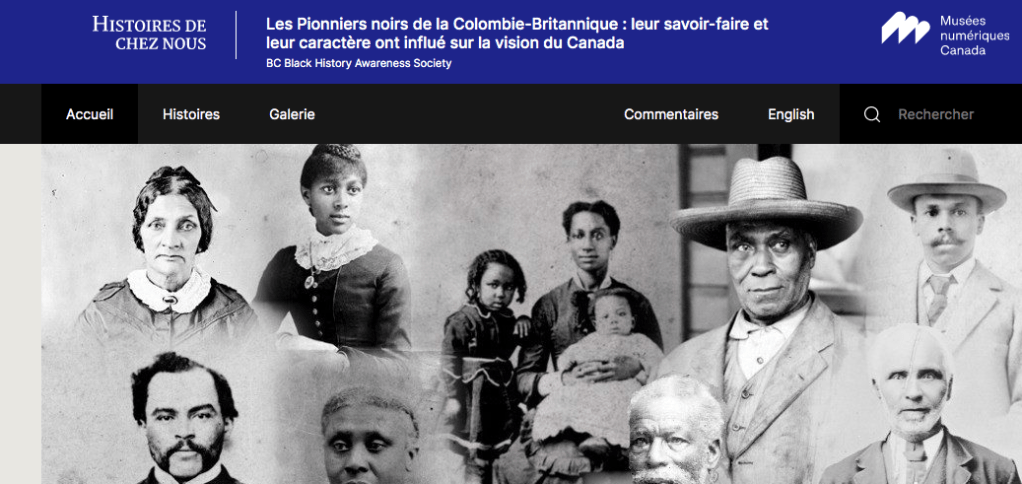
Les pionniers noirs de la Colombie Britannique: musée numérique: This is a new discovery for me on the list of les musées numériques du Canada (formerly musée virtuel du Canada). This exhibit chronicles the lives of many black pioneers in BC, including Syvlia Stark who was an early settler on Salt Spring Island. I got completely immersed reading her story. This virtual museum exhibit could be pertinent to middle or high school social studies classes or an inquiry project related to Black History in Canada and BC.
Google Lit trips and Google Earth explorations
This site was extensive and got me excited about the potential of using Google Earth or Google Maps to extend the reading experience in place-based books. I created an account and requested a trip for the Kite Runner fairly easily. While I don’t think I would use this site since it only has books in English, I could use it to inspire me or colleagues to make our own versions for books we are reading. Creating Google Earth explorations of places is something that anyone can do.
This is a great way to connect students with another place and help build their cultural competence. In the case of a recent read of Michèle Marineau’s Rouge Poison, a crime novel that takes place in Montreal, I had my grade 8s explore Google Maps to plot the various places that suspects and the victims were mentioned in the book. I also allowed them to freely explore the neighbourhood that the main characters lived in. They found restaurants, stores they were interested in, parks, and rec centres. This helped them to connect to the characters. I recommend adding this element to any book that takes place elsewhere as a way to extend student learning and to hook a variety of readers.
References
Loweus, L. (2017). Virtual Class Visits Link Book Authors to Students; Skype visits keep writers close to young readers. Education Week(Vol. 36, Issue 25). Retrieved from:
You’ll find below a list of apps that support language and content learning in the second language classroom.
Name
Function
SAMR potential
Server location
Minimum age for use
Anchor
Online podcasting recording
Offer an authentic audience for student projects Opportunities to share learning or collaborate with other groups across district. Authentic platform for oral interaction and conversations in French
United States
none specified. Free
iMovie
Video editing
Sharing understanding and knowledge on engaging platform. Opportunity for oral interaction and production.Authentic audience and product for projects
Canada and U.S.
Under 13- Apple ID child account No account required to use. Free
Powtoon
Screen casting
Oral presentations that can be shared with others virtually. Teacher-created short video clips of lessonsStudent-created videos to explain their learning.
E.U., U.S., Israel
Not specified. Special privacy statements and rules for children’s accounts and school accounts. Free
Green Screen Do Ink
Green screen video recording
Simulate travel and exploration of francophone places around the world Share videos with peers.
7$ on app store for ipod, ipad or iphone
Flipgrid
Video recording responses
Oral production skillsVideo responses to prompts and teacher generated questions. Self and peer assessment (listening to response and providing feedback or self-assessing against language and thinking criteria)
U.S.
FreeStudents invited by teacher on google classroom or other platform. No age.
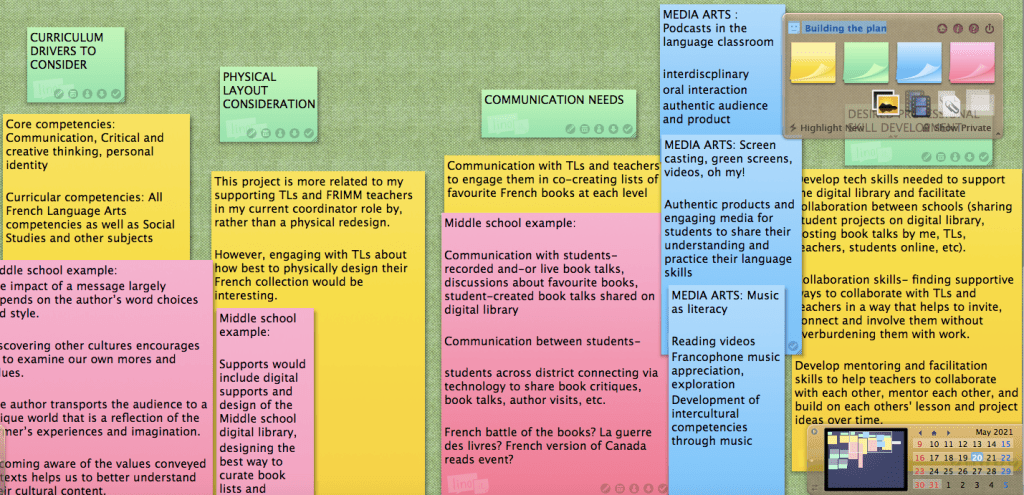
The Media Arts additions to my Linoit board include integrating podcasts into French language or cross-disciplinary projects, supporting music in the language classroom as a tool to engage with literacy in French and explore diverse francophone voices, and using videos to create and share new understandings. While there are many aspects of Media Arts that can support language programs, these are the ones where I can imagine helping French teachers and students to use these media arts tools in supporting their language programs.
References
Swain, M. (2000). The output hypothesis and beyond: mediating acquisition through collaborative dialogue. In Lantolf, J. Sociocultural theory and second language learning (pp. 97-114). Oxford, England : University Press.
Here is my video of communicating the redesign of my Language Coordinator role. I chose Powtoon to film my presentation as I wanted to push myself to learn another tool and this one looked to be user friendly for students while including many key features such as combining video and screen casting.
You will notice that there is less emphasis on physical layout considerations and more emphasis on collaboration, special initiatives and support of LLC and VLC. I tried to use a few examples such as film festivals and student museums. My question is:
From your perspective, do the examples help you better understand how I hope to support teachers and students?
What else would you suggest I add to better communicate my goals?
Lastly, while I have permission to use the photos included in this presentation, please do not download or share this video or photos within with anyone.
It has been a while since I have been in a course where I’ve been continually faced with tasks that at first appear so daunting and where my knowledge base feels so low. It has helped me to empathize with students who face this on a daily basis in class. The video techniques was yet another assignment for this course where I started with that classic student defensive statement “this is so dumb!” and ended up by the end feeling like it was so much fun. While I have resisted many of these tasks, they have forced me to finally try new apps and tools that have been around for awhile now. Thankfully, at every utterance of “this is so hard”, I’ve had a small child swoop in and say “I can show you how to use iMovie, mom”.
I used my new iphone for the video tools and now have a few tools under my belt, such as the AE-AF lock.
For the green screen video, I ended up downloading the Green Screen by Do Ink simply because it works on an iphone and I wanted to keep all videos on the same platform.
In place of a screen or green wall, I used a green sheet hanging over a doorway. I tried as best as possible to smooth the sheet out. Experimenting with the right distance to hold the camera took a while. I also found I had more or less success with different background images. This photo of my yard, with so much green in it, somehow worked best.
As for the video editing tool, I used iMovie and was it ever a confidence booster! It was so user friendly that I now know how to add background music, titles, video, stills, and my green screen video.
The most time consuming aspect was uploading the video from my phone to google drive and youtube. In the end, uploading directly to youtube on my phone was the quickest way to go. If anyone has tips on shortcuts that may help for students uploading from ipads in the classroom, I would most appreciate it. I often had students upload videos from ipads to classroom or drive, and it took forever.
Swain, M. (2000). The output hypothesis and beyond: mediating acquisition through collaborative dialogue. In Lantolf, J. Sociocultural theory and second language learning (pp. 97-114). Oxford, England : University Press.


 Technology in the language learning classroom and library