Does written informed consent from parents or guardians suffice or do we need consent from a child?
Informed consent for posting student work online is needed by parents and guardians for students under 18 (Hengstler, 2013). An explanation in plain English must be offered as to the purpose and risks of posting work online. In addition, parents, guardians and students have the right to refuse work to be posted at their discretion (Hengstler). For this reason, I feel that teachers should frequently check in with students about posting work online, explain that they have the right to refuse permission, and obtain their consent each time work is posted online. This again will help students develop and understanding of online privacy and an ability to advocate for themselves in other contexts.
How can we use posting student work online as an opportunity to increase students’ understanding of digital literacy and informed consent?
While copyright rules around student work add a layer of complexity to our work as teachers and TLs, we must remember that they also present a great opportunity to teach students about digital literacy AND especially about consent. By sharing the rules with students and having them be part of the process of ensuring what goes online is done so with permission, we help students to learn to advocate for their rights and to respect others’ rights to privacy online. What’s more, we have a real-life opportunity to teach informed consent, which is a skill and process we need our students to understand and practice online and off. Rather
What are the risks of posting student work on Google Classroom?
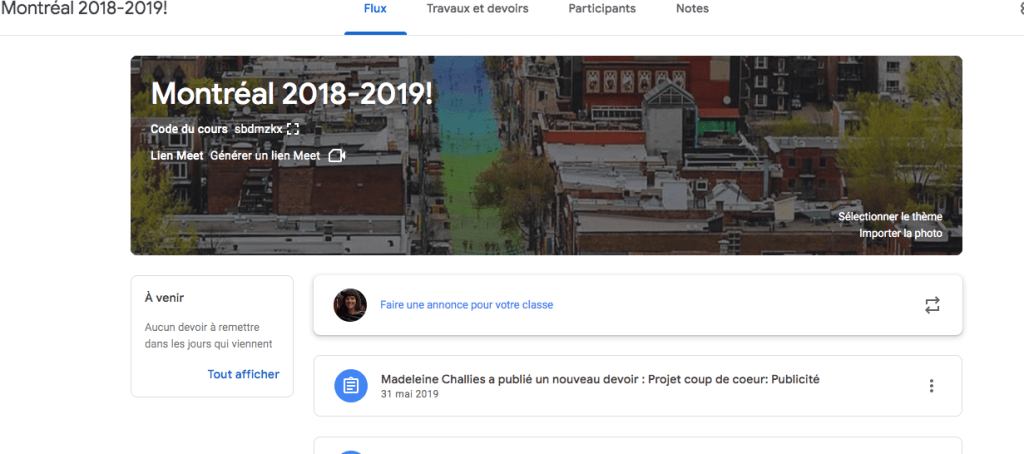
Our district uses Google Classroom, which is password protected. Students share their ideas by responding to posts, and occasionally post their assignments on the classroom page. While the system is password protected, Hengstler (2013) warns that even password-protected sites pose a risk to student privacy. Google uses servers in the US, making it subject to US laws that allow servers to be searched by government. While I have heard this for years, I admittedly don’t tend to pay attention to these issues and have allowed others to sort out the risk assessment. How worried should we as teachers and parents be about our use of Google Classroom?
References
Hengstler, J. (2013). A K–12 Primer for British Columbia Teachers Posting Students’ Work Online. Retrieved from http://etec.ctlt.ubc.ca/510wiki/images/2/2b/Primer_on_Posting_Minor_Students_Final.pdf
 Technology in the language learning classroom and library