Virtual Field Trips
The combination of teaching grade 6 and a university course online in 2020 as well as being in a new coordinating role during a pandemic has definitely opened my eyes to the vast array of virtual learning opportunities that exist. This may be the most precious unintended benefit of COVID to my teaching practice.
What’s more, so many cultural and language learning opportunities that were either extremely costly, required travel or were out of reach to Vancouver Island French language learners have now become accessible virtually.
Here are a few virtual learning opportunities that are great for the language LLC and classroom:
Virtual author visits:
We hosted a francophone author Andrée Poulin in February 2020 just before COVID took over. She and a few colleagues of mine went for dinner during her visit and shared a dessert four ways, a normal pre-COVID activity which, along with in person author visits, may not happen again for a few years!
The author visits really helped motivate my students to engage with reading in general, and got them so excited about the novel we had just finished that they begged (well at least four begged!) to read the sequel immediately after her visit.
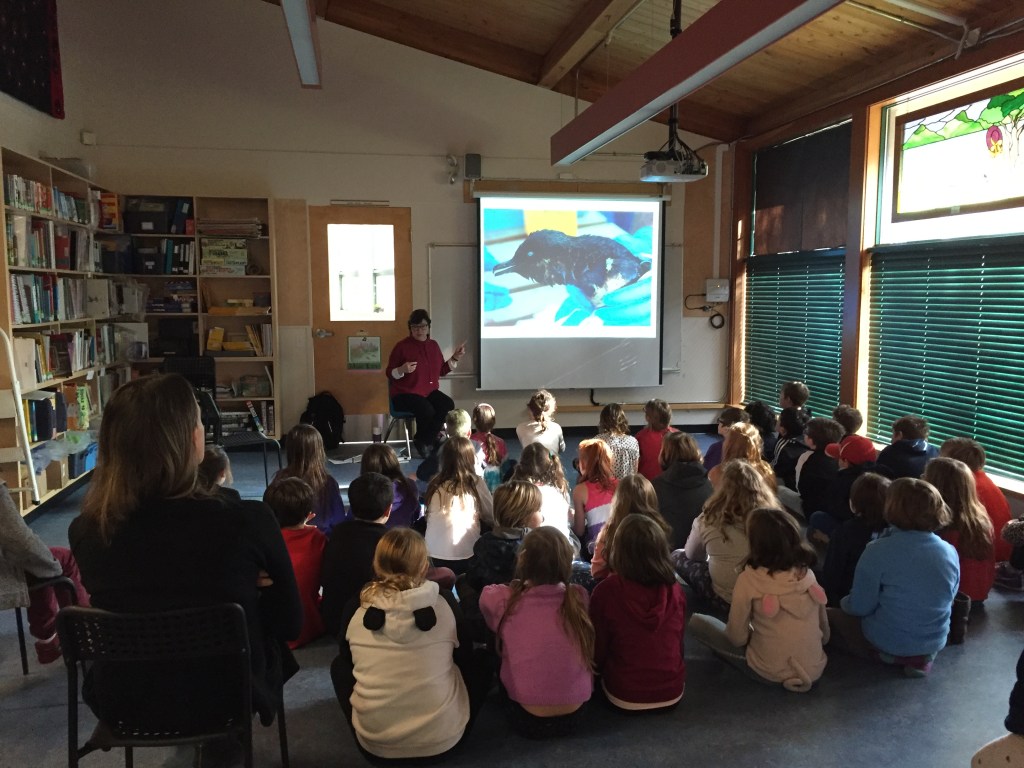
We had Andrée Poulin back this fall and winter to do virtual visits and I attended one of them. While I must say it was not quite the same experience as having her in our classrooms, it still really motivated the students in classrooms across our district. The benefit was that we were able to offer this to more classes for far less cost and a negligible carbon footprint as compared to her in person visit one year prior.
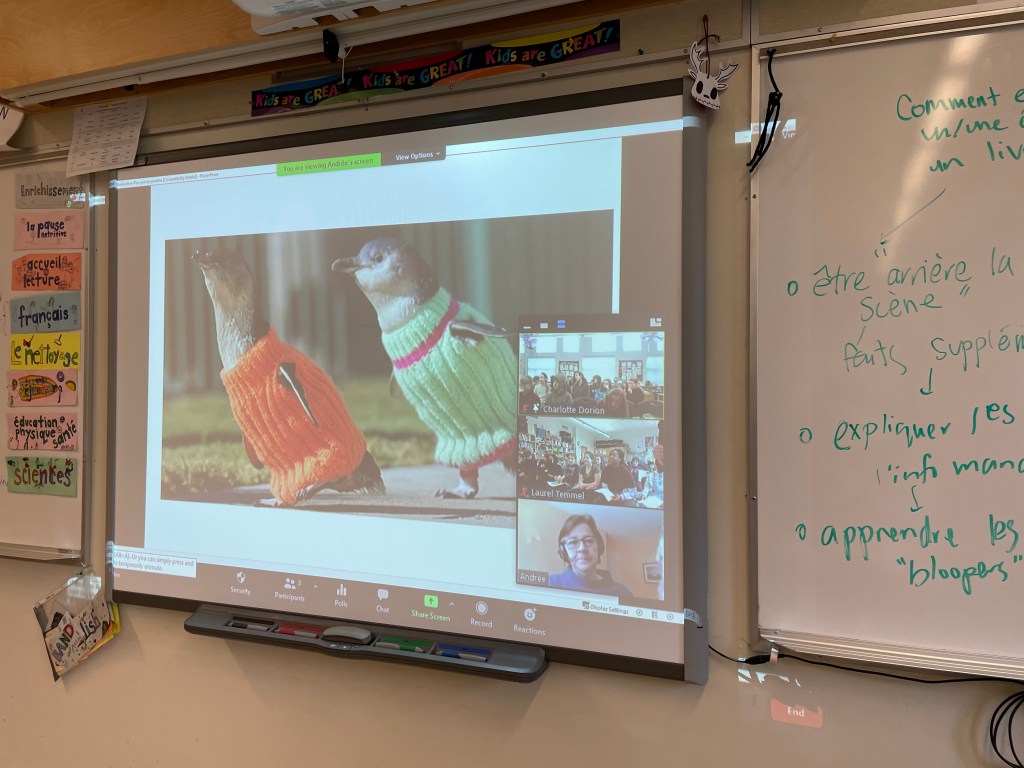
Virtual author visits provide a literary and cultural opportunity for our French language students. Beyond supporting literacy skills and supporting a cultural of reading, they offer an authentic opportunity to connect with a francophone person and to ask them questions about life in their corner of the world. During a debrief after a recent author visit with francophone author André Marois, grade 8 students from one middle school noted that their favourite part of the author visit was seeing the map of where Marois lived, the countryside in Quebec, hearing his accent, finding out why he moved from France, what Covid was like in his provide, etc.
Another plus of virtual author visits is that it expands the range and amount of visits we can have. Rather than saving up to invite one author only, a district or school can zoom into several different authors depending on the interest of the school or student group.
Virtual field trips-
I explored some of the trips on the suggested list but have focused on a few others that are more pertinent to a French classroom or LLC. Here are a few field trips in French that have captured my attention:
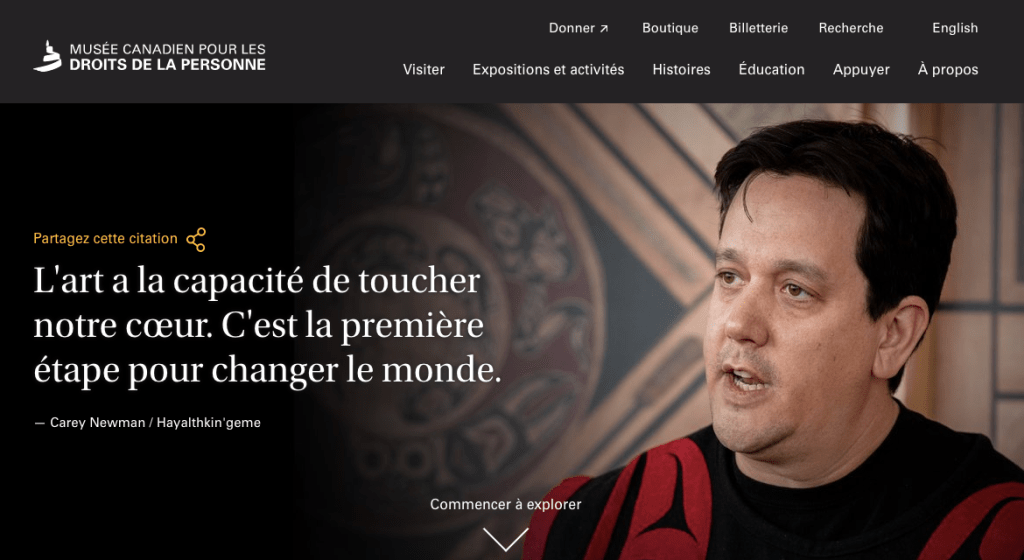
Musée canadien pour les droits de la personne: This human rights museum in Winnipeg has several virtual exhibits, including an upcoming exhibit called DéclART tes droits on Winnipeg students’ artistic interpretations of human rights. This could be a great catalyst for a local project of this nature for a grade 6 Socials class or a secondary class.
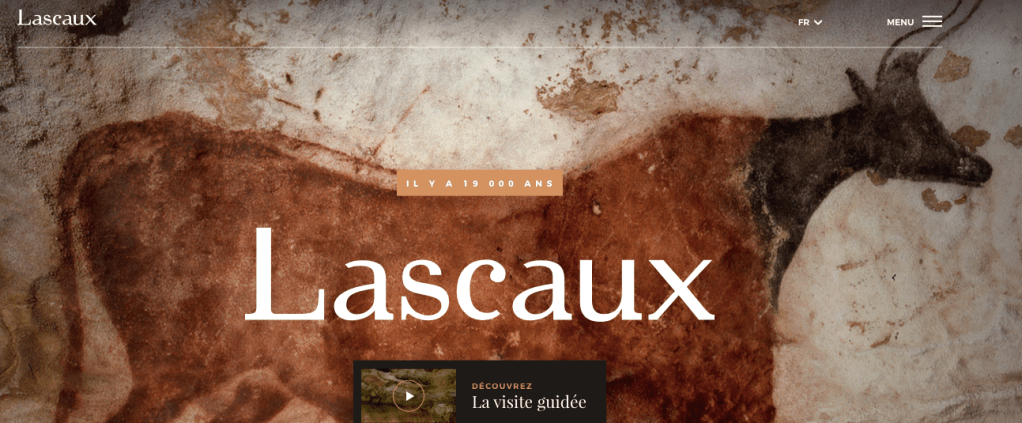
Les grottes de Lascaux: This virtual tour of the cave paintings in Lascaux, France is one of the first virtual field trips I used with my students. I loved the combination of the visual self-guided tour along with the music. This could be used in a grade 7 Socials class.
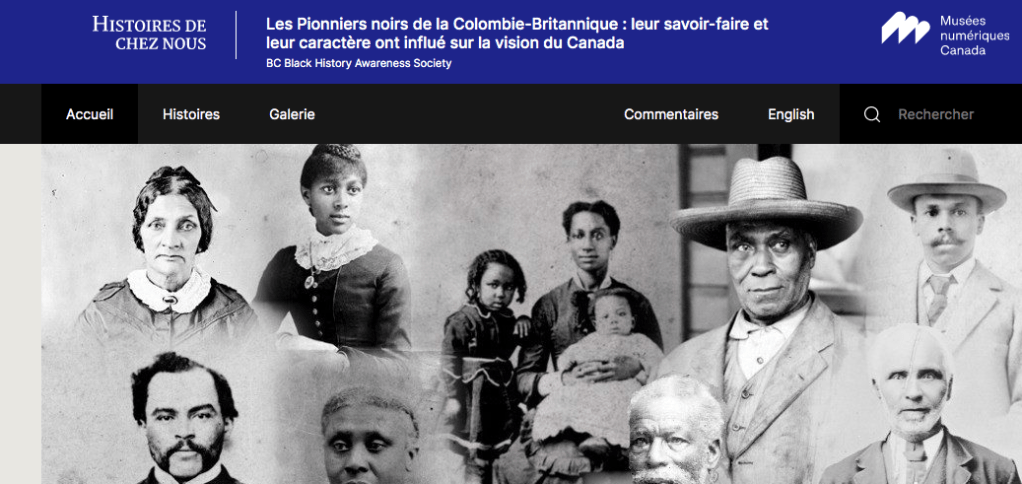
Les pionniers noirs de la Colombie Britannique: musée numérique: This is a new discovery for me on the list of les musées numériques du Canada (formerly musée virtuel du Canada). This exhibit chronicles the lives of many black pioneers in BC, including Syvlia Stark who was an early settler on Salt Spring Island. I got completely immersed reading her story. This virtual museum exhibit could be pertinent to middle or high school social studies classes or an inquiry project related to Black History in Canada and BC.
Google Lit trips and Google Earth explorations
This site was extensive and got me excited about the potential of using Google Earth or Google Maps to extend the reading experience in place-based books. I created an account and requested a trip for the Kite Runner fairly easily. While I don’t think I would use this site since it only has books in English, I could use it to inspire me or colleagues to make our own versions for books we are reading. Creating Google Earth explorations of places is something that anyone can do.
This is a great way to connect students with another place and help build their cultural competence. In the case of a recent read of Michèle Marineau’s Rouge Poison, a crime novel that takes place in Montreal, I had my grade 8s explore Google Maps to plot the various places that suspects and the victims were mentioned in the book. I also allowed them to freely explore the neighbourhood that the main characters lived in. They found restaurants, stores they were interested in, parks, and rec centres. This helped them to connect to the characters. I recommend adding this element to any book that takes place elsewhere as a way to extend student learning and to hook a variety of readers.
References
Loweus, L. (2017). Virtual Class Visits Link Book Authors to Students; Skype visits keep writers close to young readers. Education Week(Vol. 36, Issue 25). Retrieved from:
https://go.gale.com/ps/i.do?p=AONE&sw=w&u=queensulaw&v=2.1&it=r&id=GALE%7CA488209660&sid=summon&asid=e636dbbe44ac984ba4997c332a13f3a5
Welcome to Google Lit Trips. Retrieved from https://googlelittrips.org/litTripLibrary/gettingStarted.php
 Technology in the language learning classroom and library